A coffee born of patience and the mountain
At Culpan we grow high-altitude Arabica coffee on the foothills of the Santiaguito volcano, in Quetzaltenango, Guatemala. Coffee covers 35% of our land and grows between 1,371 and 1,524 metres above sea level, where cool nights and bright days let the bean ripen slowly and concentrate its sweetness and aroma.
Every bag of green coffee that leaves Culpan is the result of a process cared for in every detail: the hand-picking of the seed, a full year of rearing in the nursery, planting under shade, pruning to rejuvenate the plantation, harvesting the cherry at its perfect ripe stage, and a wet and dry mill updated to be ecological. Patience makes the coffee, and that patience shows in the cup.
Culpan coffee by the numbers
From the bean to the cup, step by step
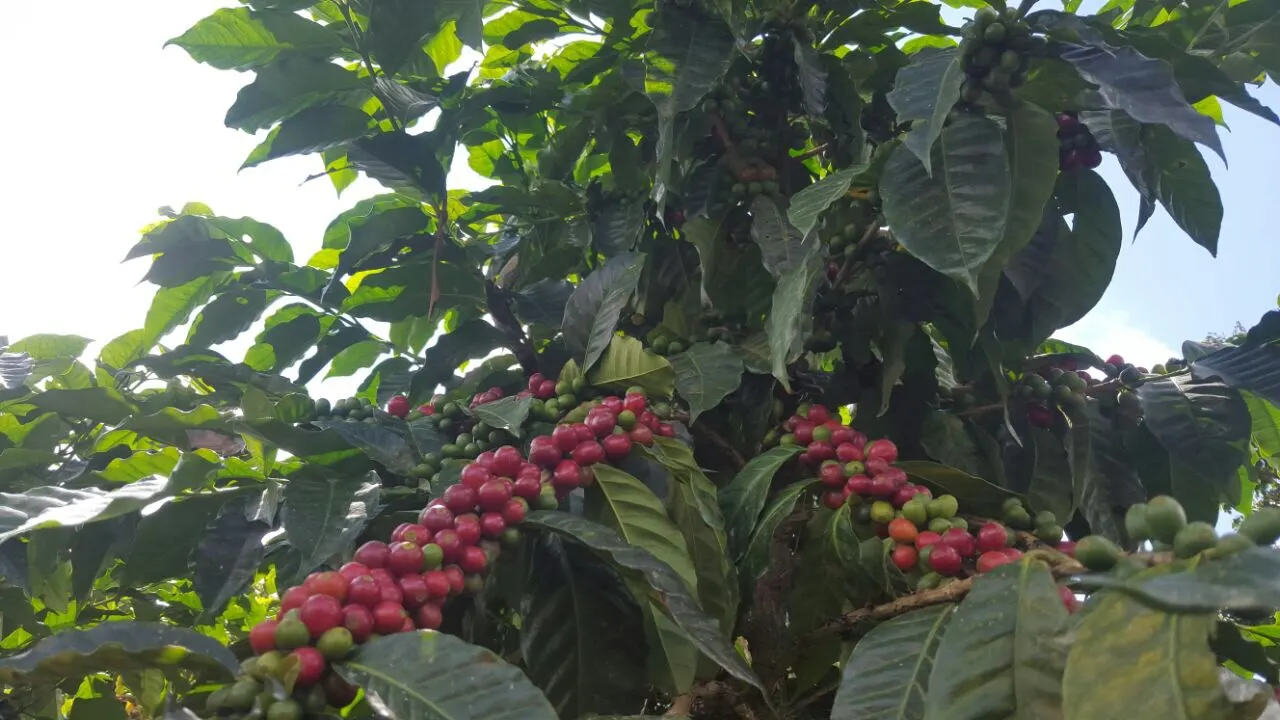
Varieties
High-altitude shade-grown Arabica, with the varieties that give Guatemala its unique cup profile.
Next →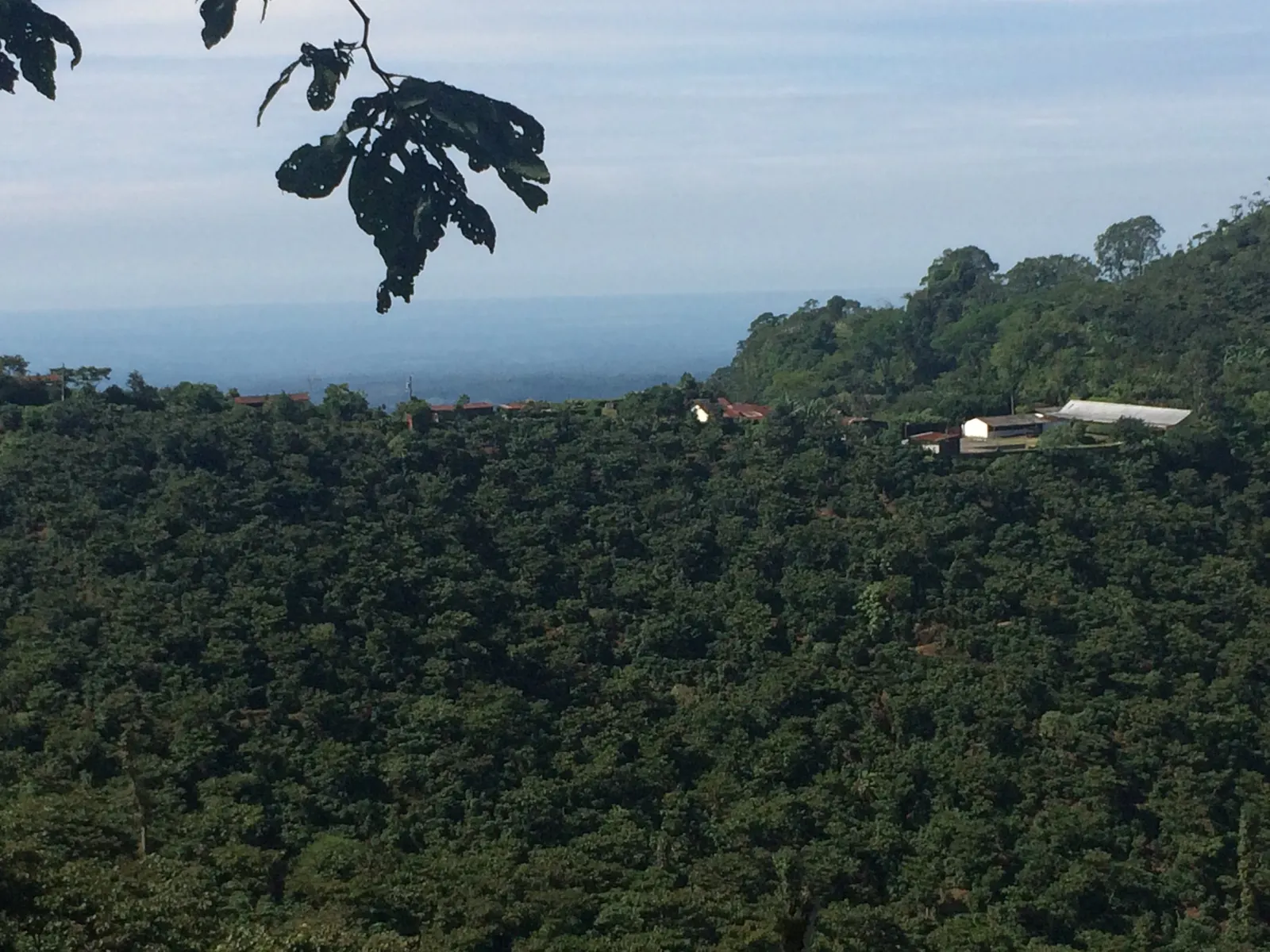
The Soil
Ash from the Santiaguito volcano endlessly enriches a living, fertile and well-drained soil.
Next →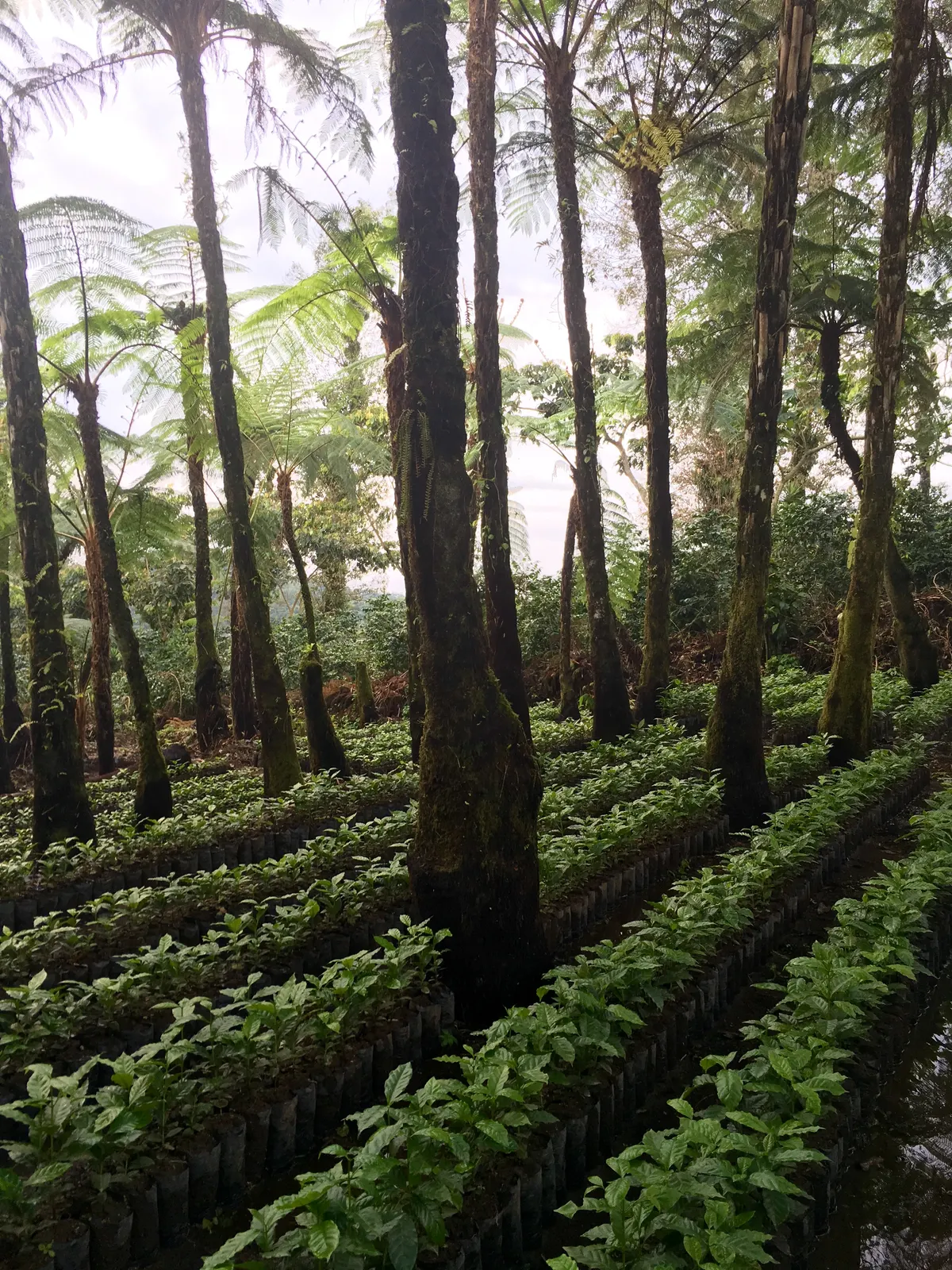
The Nursery
We hand-pick the best beans and rear them for a full year until they are ready to plant.
Next →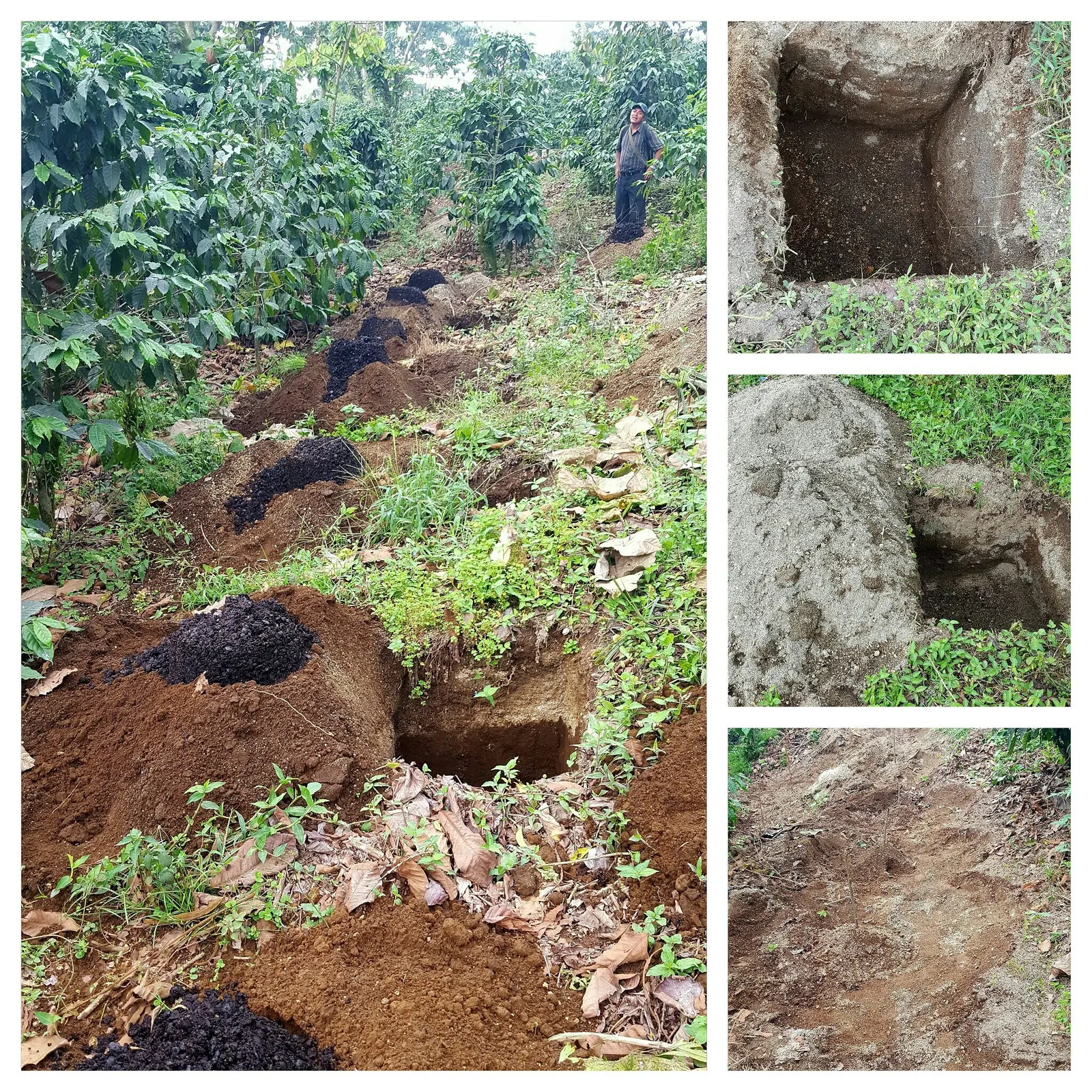
Planting
Each seedling is planted at its right spacing, in holes filled with compost, starting in May.
Next →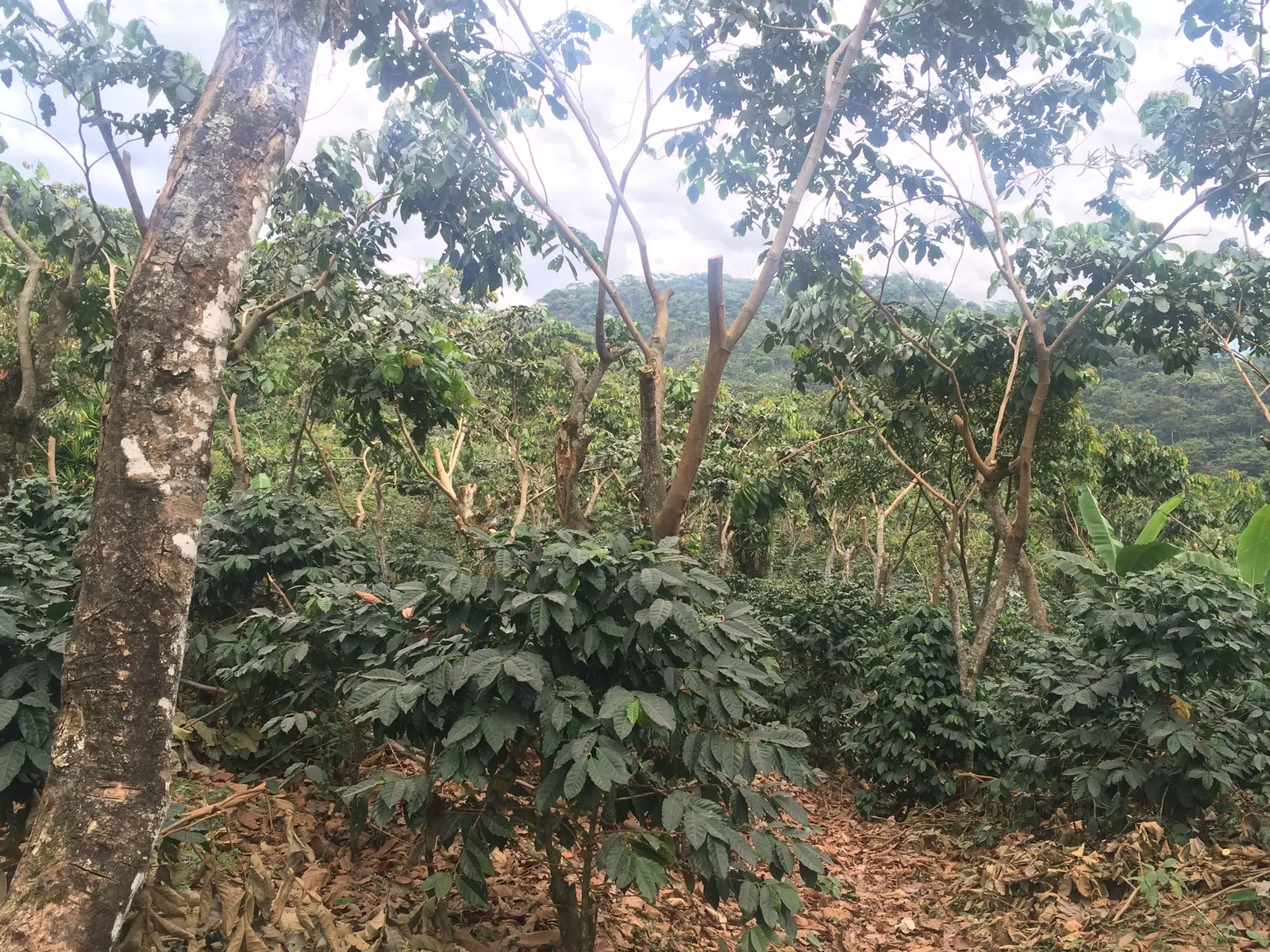
Pruning
With three pruning systems we rejuvenate the plantation and keep it vigorous, harvest after harvest.
Next →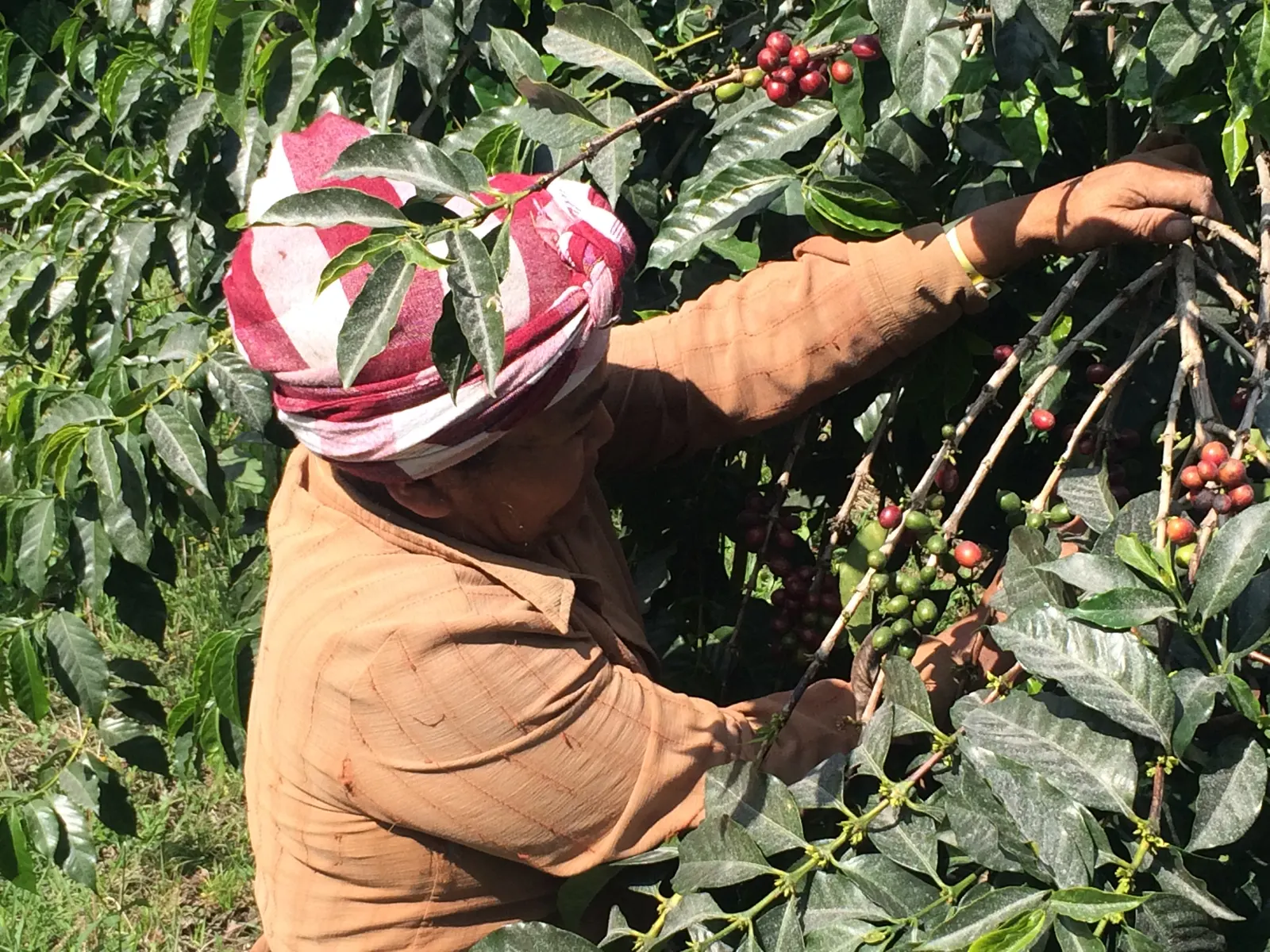
The Harvest
100% manual picking, bean by bean, gathering only the cherry at its perfect ripe stage.
Next →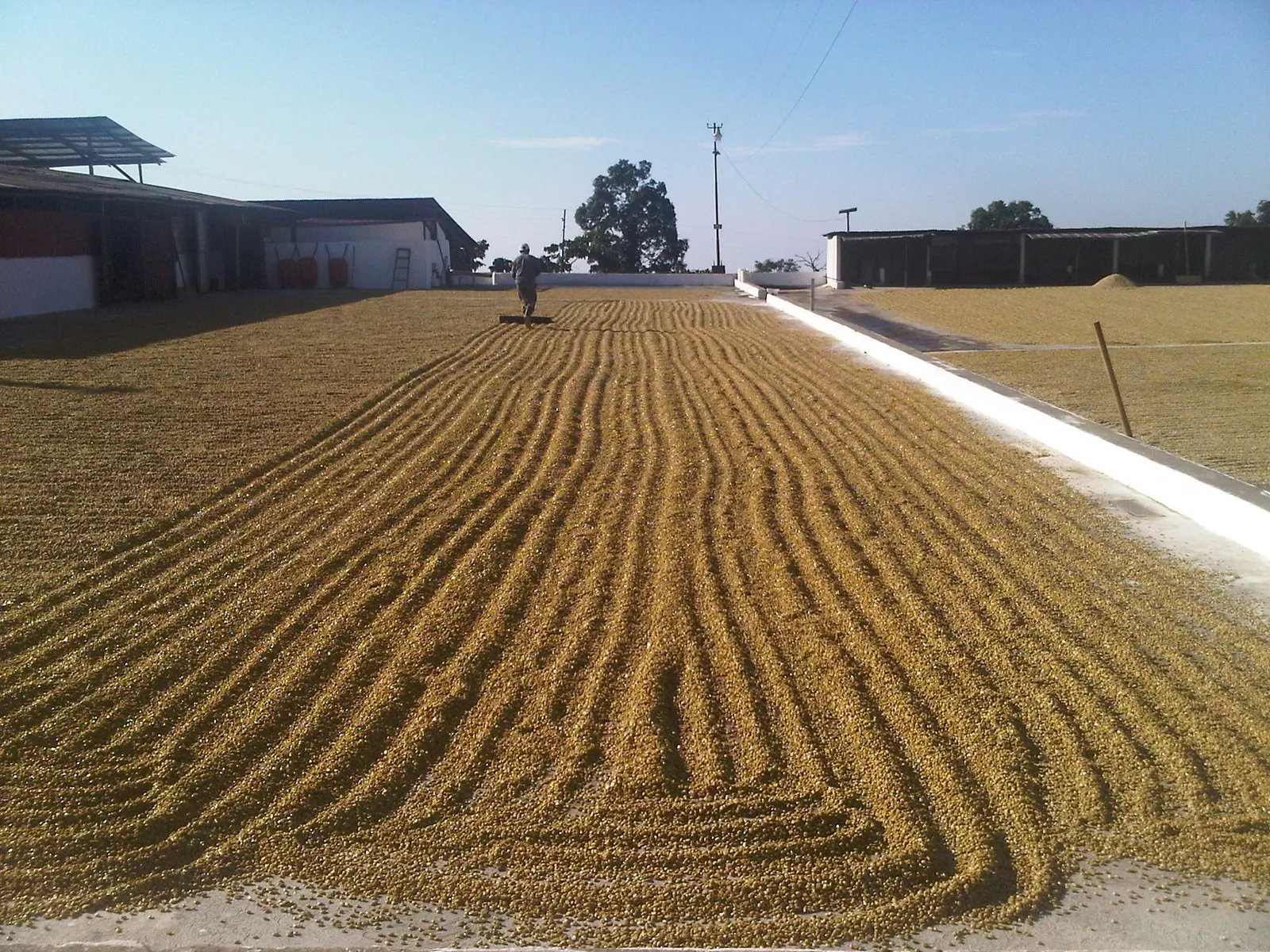
The Mill
A wet and dry mill, built in the 1940s and updated to be ecological.
Next →Frequently asked questions
At what altitude does Culpan coffee grow?
The Culpan coffee field grows between 1,371 and 1,524 metres above sea level, on the foothills of the Santiaguito volcano. This altitude, with cool nights and bright days, lets the bean ripen slowly and concentrate sweetness and aroma, the typical profile of Guatemalan high-altitude Arabica coffee.
Which coffee varieties are grown on the farm?
We grow high-altitude Arabica coffee, with the classic varieties that give Guatemala its unique cup profile, such as Bourbon, Caturra and Catuai. All plants grow under the shade of protected forest, in volcanic soil enriched by the ash of the Santiaguito volcano.
How is Culpan coffee processed?
We use a wet and dry mill, built in the 1940s and updated to be ecological. The freshly picked cherry goes through depulping, fermentation and washing, and the parchment is then sun-dried on patios. This preserves the sweetness and clean profile of the high-altitude bean.
Does Culpan export green or roasted coffee?
Culpan exports green coffee exclusively, in parchment and as gold bean; no coffee is roasted on the farm. Every lot leaves ready for the destination roaster to express the profile best suited to its market, while keeping single-origin traceability from the Santiaguito volcano.
Why is the volcanic soil important for the coffee?
Ash from the Santiaguito volcano falls continuously over the plantation and, over time, has formed a layer of pumice that keeps the soil alive, fertile and well-drained. That soil provides minerals and retains moisture, two key conditions for a high-altitude Arabica coffee with body and sweetness.
How much of the farm is dedicated to coffee?
Coffee covers 35% of Culpan's land and is the main crop on the farm. The rest is shared between macadamia (32%), protected forest (27%) and corn and beans (6%), a balance that protects the microclimate and the biodiversity of the slopes of the Santiaguito.
Let's talk about our coffee
If you are interested in Culpan green coffee or would like to learn more about the farm, get in touch. We would be glad to help.
Contact us