
Macadamia

Planting the Macadamia

The moment the young tree takes root in the volcanic soil.

After two years in the nursery, the macadamia tree is ready for its permanent home. Planting is a decisive moment: the way the ground is prepared determines whether the tree will grow strong and produce for decades. At Culpan we plan this stage well in advance, choosing the terrain, marking a wide planting layout that respects the space the adult canopy will need and lets light and air through, and taking advantage of the start of the rainy season so the plant can root in naturally humid soil, without water stress during its first weeks.

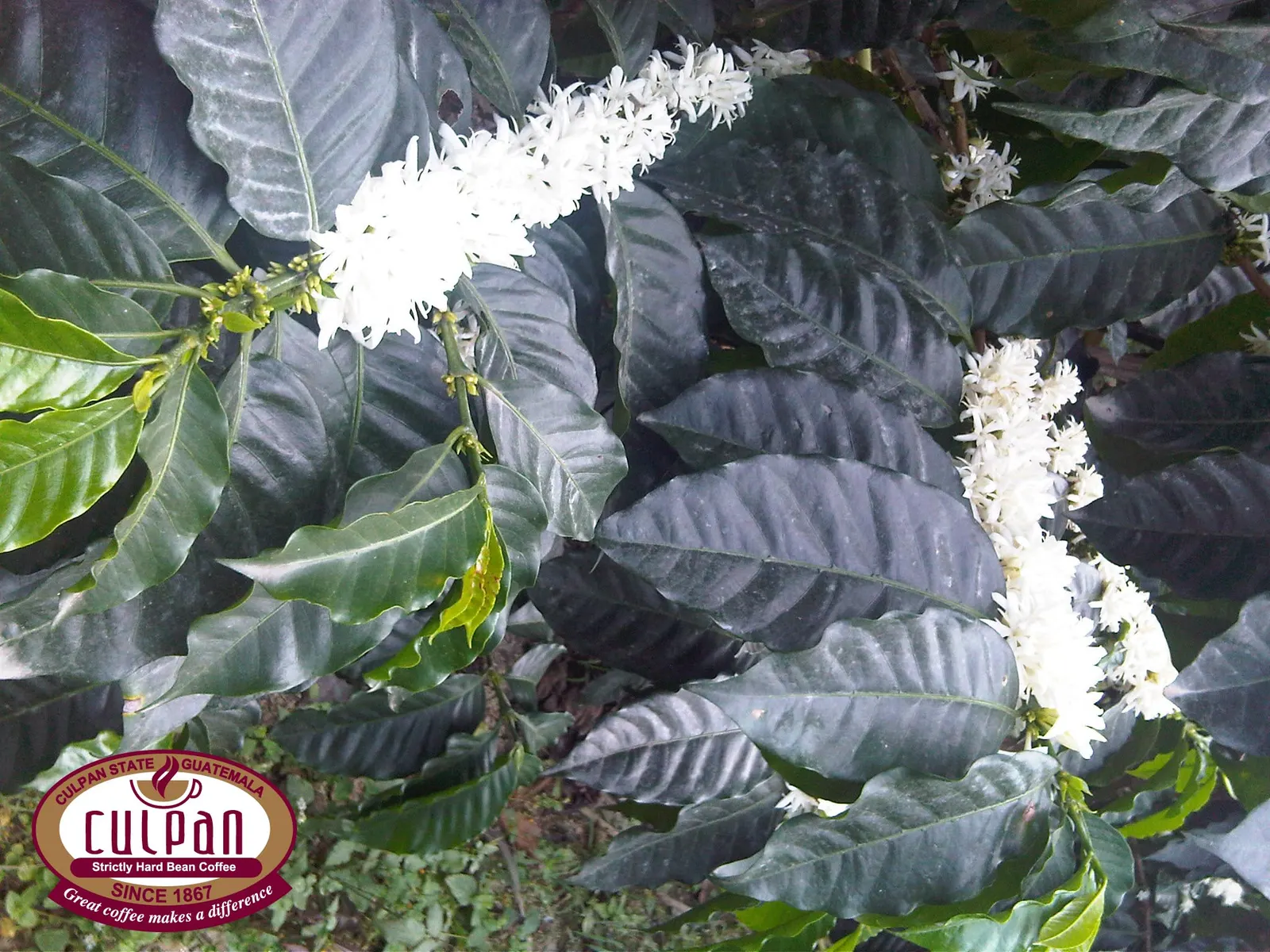
Crop in full white bloom at the Culpan farm

Wide holes for strong roots

Each two-year-old tree is planted in a 20 by 20 inch hole. It is a generous space, designed to give the root plenty of room to spread from day one. The upper layer of soil, looser and richer in organic matter, is separated from the lower one during digging, and returned to the hole close to the root at planting time.

In a crop that will live for many years, that start makes the difference. A wide hole in the loose, well-drained volcanic soil of the Santiaguito lets the tree anchor firmly and develop the root system that will support future harvests. The layout in the field uses a wide spacing between plants, enough for each adult tree to receive light on all sides and for pruning and harvesting work to be done comfortably between the rows. Where the terrain allows, macadamia shares the ground with coffee in an agroforestry scheme that makes better use of the soil and diversifies the landscape.

Organic compost to feed the tree

Before placing the tree, we fill the hole with organic compost produced on the farm itself. This natural fertiliser provides nutrients, improves soil structure, feeds the microbiology and helps retain the moisture macadamia needs in its first months. The mix includes coffee pulp, pruning remains, leaves and other plant residues that decompose slowly and release nutrients throughout the season.

Using compost instead of chemical fertilisers is consistent with Culpan's environmental commitment. The same programme that separates the farm's organic waste and turns it into compost closes the cycle: what the land gives, returns to the land to nourish the tree just beginning its life. After planting, each plant receives an initial watering and the base is covered with organic matter to preserve moisture. It is then monitored during the first weeks to correct any settling of the soil and to make sure the young tree begins its life in the field in the best possible conditions.

In Numbers

Planting in figures

20x20 inches
Size of the planting hole
2 years
Age of the tree when planted
Compost
Organic fertiliser from the farm

Learn about caring for the tree

Once planted, the tree needs pruning and constant attention. Discover how we care for it.

Contact us